A-922500 from Selleck (DGAT-1 Inhibitor 4a) selectively inhibits intestinal diacylglycerol O-acyltransferase 1
Copy code to add this image to your page
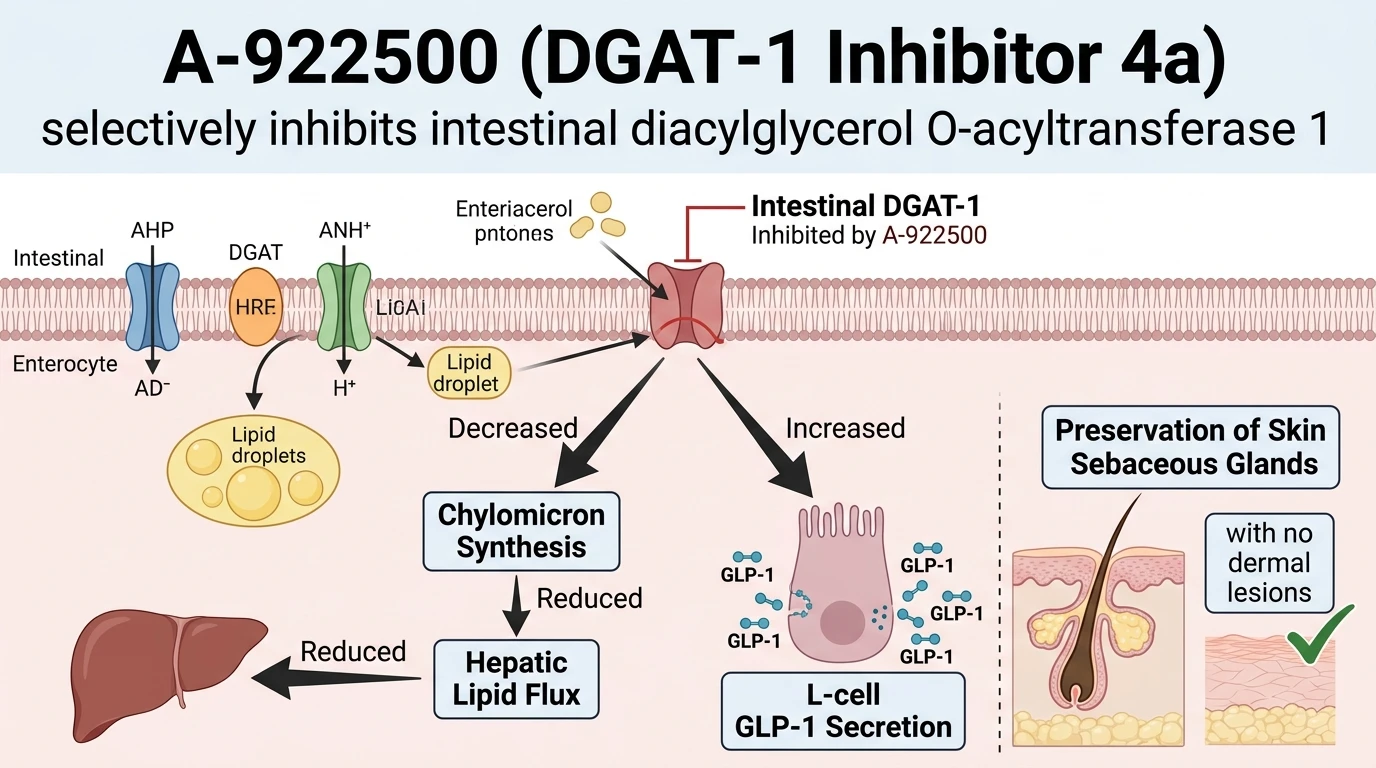
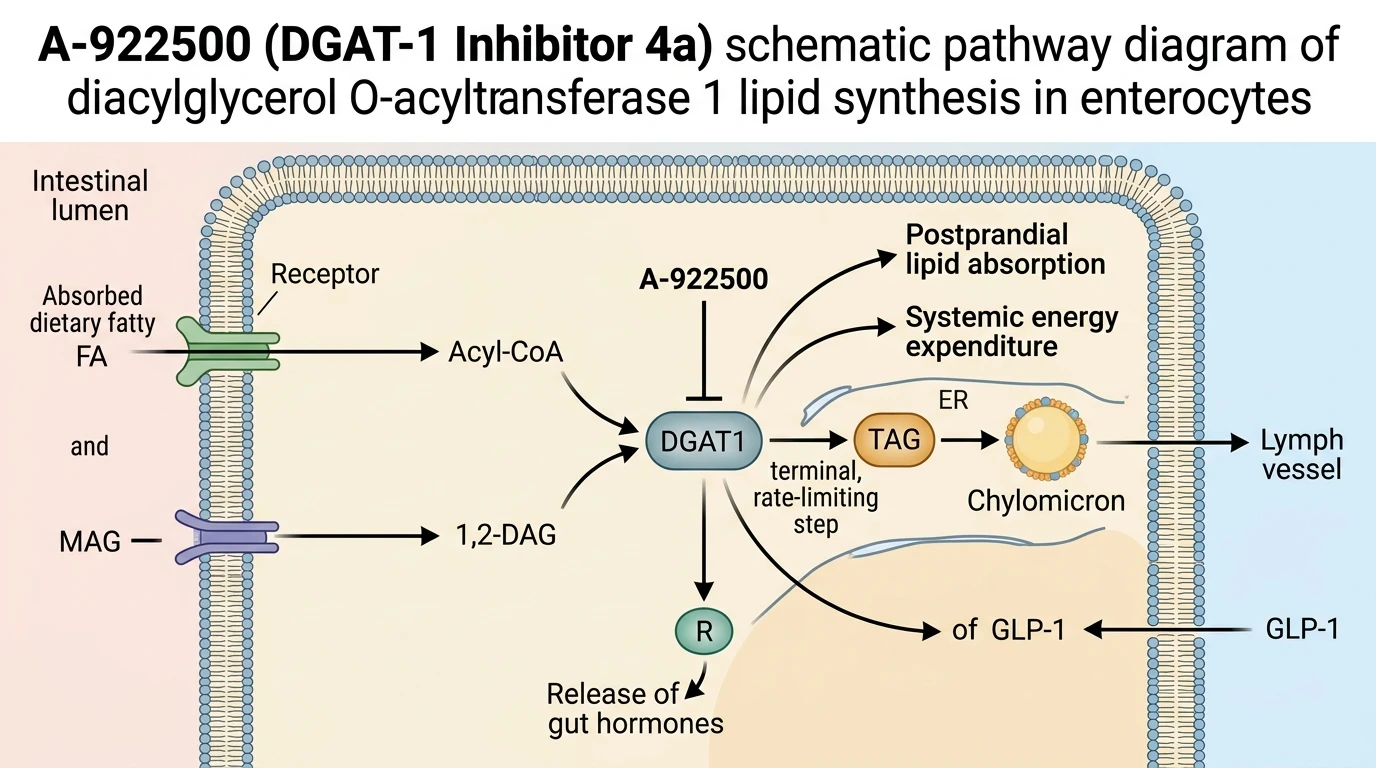
Diacylglycerol O-acyltransferase 1 (DGAT1) plays an essential enzymatic role in mammalian lipid metabolism. Located within the endoplasmic reticulum membrane, DGAT1 catalyzes the covalent joining of a fatty acyl-CoA molecule to 1,2-diacylglycerol. This step represents the final committed reaction in triacylglycerol biosynthesis. In intestinal enterocytes, this pathway processes dietary fatty acids absorbed from the gut lumen. Re-esterified triglycerides are packaged into chylomicrons and released into lymphatic circulation. Pharmacological modulation of this process offers a targeted strategy to control lipid absorption and downstream metabolic dysregulation.
Systemic inhibition of DGAT1 presented severe clinical challenges during early drug development. Broad tissue distribution of pan-DGAT1 inhibitors resulted in marked cutaneous adverse effects. Experimental animals and clinical trial subjects exhibited alopecia, fur matting, and sebaceous gland atrophy. These dermatological side effects stemmed directly from suppressing DGAT1 in skin tissue. Cutaneous DGAT1 activity is required for maintaining lipid barriers and hair follicle structural integrity. Consequently, systemic target suppression compromised the therapeutic window of early candidate molecules.
To overcome these limitations, intestinal targeting strategies were developed. The small molecule A-922500 (DGAT-1 Inhibitor 4a) was engineered to act locally within the gastrointestinal tract. Following oral administration, the compound distributes preferentially to the mucosal lining of the small intestine. Systemic exposure remains exceptionally low. Plasma and skin drug concentrations are minimized below threshold levels required to trigger cutaneous toxicities. Tissue retention studies using fluorescent tracer permeability assays confirm high local mucosal concentration with negligible baseline systemic penetrance.
In rodent models of diet-induced obesity (DIO), targeted gut DGAT1 inhibition alters lipid processing dynamics. Long-term administration of A-922500 from Selleck reduces overall body weight gain without inducing hypophagia. Visceral adiposity decreases significantly over multi-week treatment regimens. Furthermore, chronic intestinal DGAT1 blockade alters hepatic metabolic outcomes. Reduced enterocyte chylomicron output decreases the flux of dietary lipids to the liver. As a result, hepatic triglyceride and cholesterol accumulation decrease substantially in treated DIO animals.
Metabolic improvements extend beyond lipid parameters. Sustained treatment with A-922500 (DGAT-1 Inhibitor 4a) enhances glycemic homeostasis. In insulin-resistant murine models, fasting plasma glucose levels normalize and oral glucose tolerance improves. These systemic benefits arise in part from gastrointestinal peptide secretion. Short-term administration of the inhibitor delays gastric emptying and elevates circulating levels of glucagon-like peptide-1 (GLP-1). Unabsorbed fatty acids in the distal intestine stimulate L-cell secretion of GLP-1. This incretin response supports pancreatic beta-cell function and improves peripheral insulin sensitivity.
Histological analyses confirm the safety profile of intestinal target restriction. Skin sections from animals treated with A-922500 show preserved sebaceous gland morphology. No follicular atrophy or inflammatory skin lesions occur during prolonged dosing. These findings confirm that intestinal DGAT1 represents the principal therapeutic locus for controlling metabolic disease parameters while bypassing systemic adverse reactions.
Targeted Intestinal DGAT1 Pharmacodynamics and Metabolic Outcomes
Copy code to add this image to your page
A-922500 (DGAT-1 Inhibitor 4a) selectively inhibits diacylglycerol O-acyltransferase 1 within the intestinal mucosa. By blocking enterocyte triacylglycerol re-esterification, it suppresses postprandial chylomicron secretion and redirects unabsorbed fatty acids to distal intestine L-cells, triggering endogenous GLP-1 release. Local gastrointestinal distribution prevents systemic exposure, avoiding cutaneous adverse effects like alopecia and sebaceous gland atrophy. Long-term treatment reduces body weight, attenuates hepatic steatosis, and restores glycemic control in diet-induced obesity.
Tissue Partitioning Minimizes Cutaneous Exposure and Lesions
Systemic toxicity previously restricted the clinical utility of diacylglycerol acyltransferase inhibitors. Early non-selective candidates induced severe dermal lesions and alopecia in animal models. In contrast, A-922500 exhibits pronounced intestinal selectivity following oral delivery. Gastrointestinal tissue binding retains the active molecule within enterocyte membranes. Plasma concentrations remain below the threshold required to inhibit dermal lipid synthesis. Consequently, high-dose administration in diet-induced obese mice produces no observable sebaceous gland atrophy. Histological assessments confirm intact dermal layers throughout treatment periods. The safety margin between intestinal efficacy and cutaneous toxicity remains robust.
Sustained Intestinal Blockade Attenuates Hepatic Steatosis
Long-term enterocyte DGAT1 suppression profoundly modifies hepatic lipid storage. Chronic administration of A-922500 from Selleck reduced liver triglyceride content in DIO mice. Hepatic cholesterol accumulation fell in parallel. Lowering enterocyte chylomicron assembly limits the dietary lipid burden delivered directly to the portal system. Visceral adiposity decreased significantly over extended dosing regimens. Body weight gain slowed without altering daily caloric intake. These observations suggest that intestinal lipid re-esterification governs systemic lipid partitioning.
Postprandial Lipemia Suppression and Incretin Secretion
Acute administration of A-922500 alters immediate nutrient processing. Postprandial plasma triglyceride spikes drop sharply following an oral lipid challenge. Delayed lipid absorption shifts fatty acid sensing down into the distal ileum. Elevated lumenal lipid concentrations stimulate enteroendocrine L-cells. Plasma GLP-1 concentrations increase significantly within two hours post-dosing. Enhanced GLP-1 signaling correlates directly with improved oral glucose tolerance and elevated insulin sensitivity under diet-induced metabolic stress.