PORCN Inhibitors
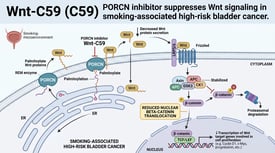
Porcupine O-acyltransferase (PORCN) is a critical membrane-bound O-acyltransferase enzyme located in the endoplasmic reticulum, playing an indispensable role in the Wnt signaling pathway. Its primary mechanism of action involves catalyzing the palmitoylation of Wnt proteins, a crucial post-translational lipid modification. This palmitoylation is essential for the proper folding, secretion, and subsequent binding of Wnt ligands to their Frizzled receptors on the cell surface, thereby initiating both canonical (β-catenin-dependent) and non-canonical Wnt signaling cascades. The Wnt pathway is a fundamental regulator of embryonic development, tissue homeostasis, and stem cell maintenance, orchestrating processes such as cell proliferation, differentiation, migration, and survival. Given its central role, aberrant hyperactivation of Wnt signaling is a well-established driver in numerous human cancers. These include, but are not limited to, colorectal cancer, breast cancer, pancreatic cancer, lung cancer, and melanoma, where it promotes tumor initiation, progression, metastasis, and resistance to therapy by enhancing cancer stem cell properties.
Consequently, PORCN has emerged as an attractive drug target for inhibiting Wnt-driven malignancies. Current research progress on PORCN inhibitors is predominantly in preclinical and early clinical development. Several small molecule inhibitors have advanced to Phase 1/2 clinical trials, with WNT974 (LGK974) from Novartis being a notable example. While WNT974 showed promising activity in Wnt-addicted tumors, its clinical development faced challenges due to on-target toxicities, such as gastrointestinal issues and bone marrow suppression, reflecting the ubiquitous physiological importance of Wnt signaling. Other compounds like RXC004 (Roche) and ETC-159 (Roche/ETPL) are also under investigation, with ongoing efforts focused on optimizing their therapeutic window and identifying responsive patient populations. PORCN inhibitors are generally classified as small molecules that directly bind to the enzyme's active site, preventing Wnt palmitoylation.
They can be further categorized by their distinct chemical scaffolds, such as benzamide or pyrimidine derivatives, and their specific potency and selectivity profiles. Key research tools in this field include Wnt pathway reporter assays, such as TOP/FOPFlash, and various cell lines sensitive to Wnt inhibition, which are used for high-throughput screening and mechanistic studies. A significant challenge in developing PORCN inhibitors is managing the potential for on-target toxicities due to the Wnt pathway's essential functions in normal tissues. To mitigate these side effects and enhance efficacy, combination therapy strategies are being actively explored, pairing PORCN inhibitors with conventional chemotherapies, immunotherapies, or other targeted agents (e.g., MEK or PI3K inhibitors). The identification of predictive biomarkers, such as R-spondin fusions or specific Wnt pathway mutations, is crucial for patient selection and successful clinical translation. Furthermore, understanding and overcoming potential resistance mechanisms, which may involve compensatory signaling pathways or mutations within Wnt pathway components, remains a critical area of ongoing investigation to improve the long-term therapeutic benefit of these promising agents.