RNA Methyltransferase Inhibitors
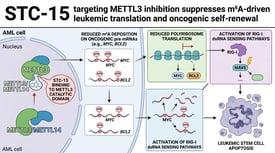
RNA Methyltransferase inhibitors are an emerging class of epigenetic modulators that target the enzymes responsible for adding methyl groups to RNA molecules, a process known as 'epitranscriptomics.' The most prominent target in this category is the METTL3/METTL14 complex, which catalyzes the N6-methyladenosine (m6A) modification on mRNA. This modification is a critical regulator of mRNA stability, splicing, transport, and translation efficiency. By inhibiting these methyltransferases, researchers can disrupt the pro-oncogenic signaling pathways that many cancers rely on for survival and proliferation. Diseases associated with dysregulated RNA methylation include acute myeloid leukemia (AML), glioblastoma, and various solid tumors, as well as certain viral infections where the virus hijacks the host's methylation machinery to evade the immune system. Currently, the field is transitioning from basic discovery to early clinical development.
Several small-molecule inhibitors of METTL3, such as STM2457, have shown profound anti-leukemic effects in preclinical models by inducing differentiation and apoptosis in cancer cells. Clinical trials for first-in-class METTL3 inhibitors are now underway, marking a significant milestone for the field. Inhibitors in this category are generally classified into two types: S-adenosylmethionine (SAM)-competitive inhibitors, which block the methyl donor binding site, and non-competitive or allosteric inhibitors that interfere with the enzyme's interaction with RNA or its regulatory subunits. A major challenge in developing these inhibitors is achieving high selectivity over other methyltransferases, such as DNA or histone methyltransferases, which share similar SAM-binding pockets. Off-target inhibition could lead to widespread epigenetic dysregulation and significant toxicity.
Furthermore, the biological consequences of m6A inhibition can be context-dependent, sometimes acting as a tumor suppressor and other times as an oncogene, necessitating a deep understanding of the specific disease biology before intervention. Research is also focusing on the 'readers' and 'erasers' of RNA methylation to complement methyltransferase inhibition. Combination therapies involving RNA Methyltransferase inhibitors and traditional chemotherapy or checkpoint inhibitors are being explored to overcome drug resistance and enhance immune recognition of tumors. As our understanding of the epitranscriptome expands, these inhibitors represent a promising new frontier in precision medicine, offering the potential to tune gene expression at the post-transcriptional level with high specificity. Key research tools and high-throughput assays are being refined to better quantify RNA methylation changes in vivo, which will be essential for identifying biomarkers of response in clinical settings.