IRAK Inhibitors
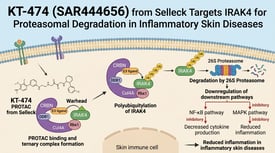
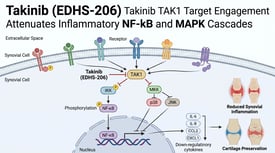
Interleukin-1 receptor-associated kinases (IRAKs) are a family of intracellular signaling molecules that play a critical role in mediating the innate immune response, particularly downstream of Toll-like receptors (TLRs) and IL-1 receptor family members. The family comprises IRAK1, IRAK2, IRAK3 (also known as Chir), and IRAK4. Upon activation of TLRs or IL-1 receptors by their respective ligands, these receptors recruit adaptor proteins, including MyD88, which then recruits IRAKs. IRAK4 is considered the master kinase, initiating the signaling cascade by phosphorylating IRAK1 and IRAK2. Phosphorylated IRAK1 can then undergo autophosphorylation and form a complex with IRAK2, leading to the recruitment of other signaling molecules and ultimately the activation of transcription factors like NF-κB and AP-1. These transcription factors drive the expression of pro-inflammatory cytokines, chemokines, and other immune mediators, orchestrating the inflammatory response.
IRAK3, in contrast, acts as a negative regulator of this pathway. Dysregulation of IRAK signaling is implicated in various inflammatory and autoimmune diseases, including rheumatoid arthritis, systemic lupus erythematosus (SLE), and certain types of cancer where chronic inflammation contributes to tumorigenesis. Given their central role in initiating inflammatory cascades, IRAK inhibitors have emerged as promising therapeutic agents. Research has primarily focused on inhibiting IRAK4 due to its upstream position and essential role in activating other IRAKs. Small molecule inhibitors targeting the kinase activity of IRAK4 have been developed. These inhibitors aim to block the phosphorylation of IRAK1 and downstream signaling, thereby dampening the inflammatory response.
Several IRAK4 inhibitors have advanced into preclinical and clinical development for autoimmune diseases like rheumatoid arthritis and lupus, as well as for myelodysplastic syndromes and other hematological malignancies. Notable examples include PF-06650833 and ARRY-371736. Challenges in developing IRAK inhibitors include achieving selectivity over other kinases to minimize off-target effects and potential toxicities. Furthermore, the role of IRAK3 as an inhibitor needs to be considered, as its manipulation could also influence immune responses. Understanding the differential roles of IRAK family members and their specific contributions to different disease contexts is crucial for optimizing therapeutic strategies. Combination therapies, potentially involving IRAK inhibitors with other immunomodulatory agents or targeted therapies, are also being explored to enhance efficacy and address complex inflammatory conditions or cancers driven by aberrant IRAK signaling.