IAP Inhibitors
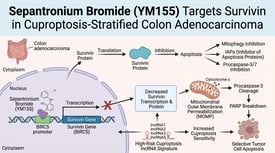
Inhibitor of Apoptosis Proteins (IAPs) are a family of evolutionarily conserved proteins, including XIAP, cIAP1, and cIAP2, that play a critical role in regulating programmed cell death and innate immune signaling. These proteins are characterized by the presence of Baculovirus IAP Repeat (BIR) domains, which allow them to interact with and inhibit various caspases, the executioners of apoptosis. XIAP, for instance, directly binds and inhibits caspase-3, -7, and -9, thereby effectively blocking the apoptotic cascade. In addition to their anti-apoptotic functions, cIAP1 and cIAP2 act as E3 ubiquitin ligases that modulate the NF-kappaB signaling pathway, promoting cell survival and pro-inflammatory cytokine production. Many cancer types overexpress IAPs to evade apoptosis and resist chemotherapy, making them attractive targets for therapeutic intervention.
IAP inhibitors, often referred to as Smac mimetics, are small molecules designed to mimic the N-terminal IAP-binding motif of Smac/DIABLO, a natural endogenous antagonist of IAPs that is released from the mitochondria during apoptosis. By binding to the BIR2 or BIR3 domains of IAPs, these inhibitors trigger the auto-ubiquitination and proteasomal degradation of cIAPs and relieve the inhibition of caspases by XIAP, thereby sensitizing tumor cells to apoptotic stimuli. IAP inhibitors are generally classified into monovalent and bivalent compounds. Monovalent inhibitors, like GDC-0152 and debio 1143 (xevinapant), consist of a single Smac-mimetic unit, while bivalent inhibitors, such as birinapant, contain two units linked together, often showing much higher potency in inducing cIAP degradation and TNF-alpha-mediated cell death. Currently, several IAP inhibitors are in various stages of clinical development.
Xevinapant has shown particularly promising results in Phase II trials for locally advanced squamous cell carcinoma of the head and neck, leading to its advancement into Phase III. Despite their potential, the clinical use of IAP inhibitors faces challenges, including the risk of cytokine release syndrome due to the systemic activation of NF-kappaB and the development of resistance through alternative survival pathways. Combination therapy is a major focus of current research, as IAP inhibitors have shown synergistic effects when paired with conventional chemotherapy, radiotherapy, or immune checkpoint inhibitors like PD-1/PD-L1 blockers. The rationale is that IAP inhibition can convert 'cold' tumors into 'hot' ones by promoting a pro-inflammatory environment and enhancing the anti-tumor immune response. As our understanding of the non-canonical roles of IAPs in necroptosis and inflammation grows, these inhibitors may find applications beyond oncology in treating certain inflammatory or infectious diseases.
The ongoing clinical trials will determine whether IAP inhibitors can fulfill their promise as a transformative class of cancer therapeutics that can overcome the fundamental hallmark of apoptosis evasion.